
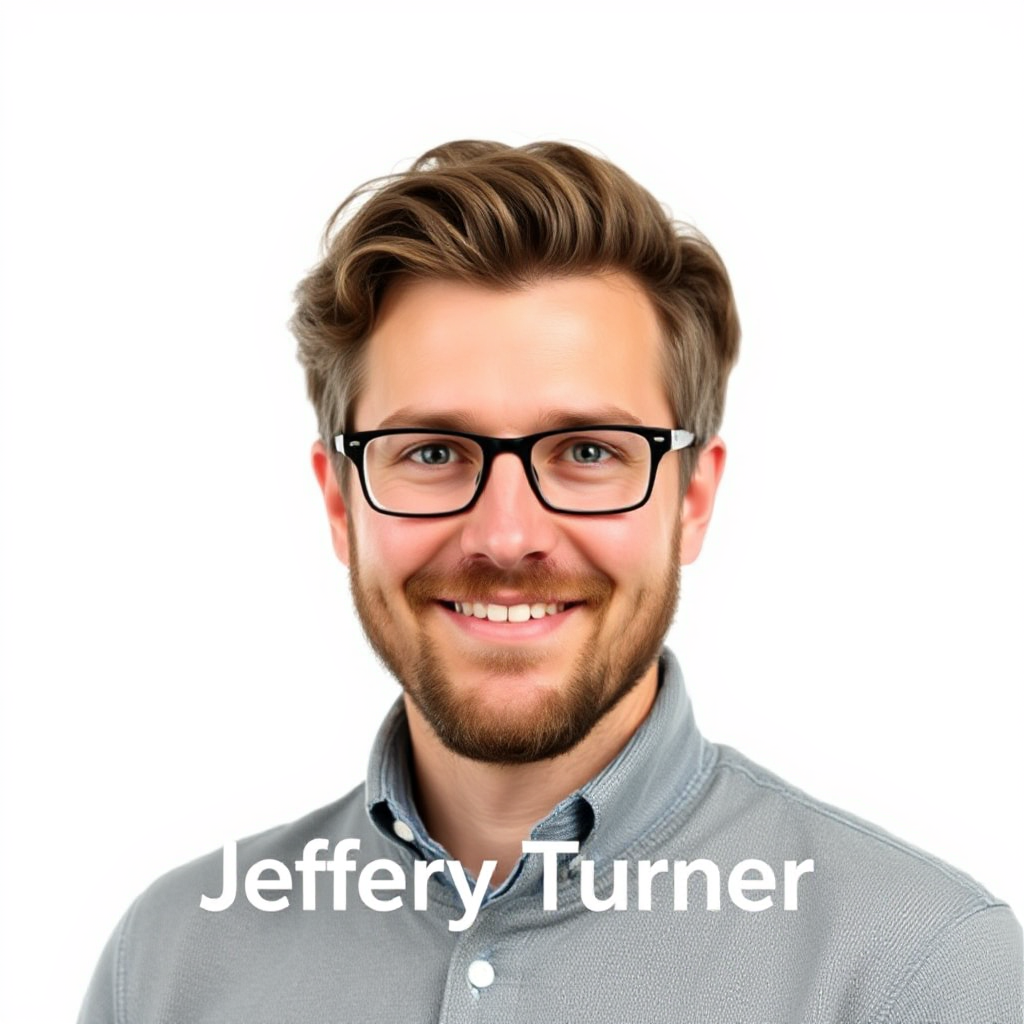
Meeting the Individuals
First Participant: P., 34, London
Profession Former civil servant, currently a student studying public health
Voting record Voted the Green Party last time (and a affiliate of the political group); formerly Labour. Identifies as “left, and globalist rather than nationalist”
Interesting fact A sketch of a teacup he created as a child was once hung in the National Gallery of Ireland
Other Participant: Akshat, 43, Harrow
Profession Risk analyst in the construction sector
Voting record Originally from India, Akshat has lived in the United Kingdom for five years, and voted the Conservative Party. Describes himself as “somewhat moderate right”
Interesting fact He taught himself to read and write the Urdu language. “It has no practical use for me, I simply found it intriguing”
For starters
The first participant During the past 20 years, I have resided and been employed in the Middle East, East Asia, the United States. The topics Peter and I talked about are UK-centric, but they are also global, because people's lives more or less follows the same curve wherever it is. I anticipated someone very liberal, but Peter wasn’t all gung ho – we engaged in a productive, logical conversation. I had a couple of beers, he opted for mojitos.
Peter We split starters – fishy spring rolls, steamed buns, daikon cakes with beansprouts, which were superb. I felt somewhat anxious, as I believe Akshat was. Was he going to attack me for my sensitivity? We’re both immigrants. I grew up in Dublin; I’ve lived in the US and the Iberian Peninsula. We connected through our affection for London.
The big beef
The first participant I look at migration similar to sprinkling salt to a meal. When you add a little bit, the dish tastes wonderful. Use too little or too much and the dish is insipid or overly seasoned.
Peter He had a metaphor regarding seasoning. It would be a funny place to be if the state was choosing some preferred demographic of the nation.
Akshat There are, unfortunately, individuals escaping oppression, but a lot of people coming to the United Kingdom are economic migrants who may not add significant value and can weigh on the welfare system. Nobody forces you to go to a different nation for opportunity, so you should only go if you can take care of your own needs and your family.
Peter We got lost with certain details. In my view it’s like you come over and are employed and then after five years you obtain indefinite leave to remain. Nothing is automatic. It’s been a hostile environment since Theresa May, application costs are really high, you pay an healthcare levy, access to benefits is restricted. There is no special treatment for anyone. And regarding the recent changes, under which you can’t bring your family over, it is astonishing to state: we want your work, but we reject you as a person. I think we have to have a certain level of compassion.
Sharing plate
The first participant Peter questions unchecked capitalism. So am I, but at the same time, wealth creation benefits society and should be encouraged.
Peter We each have global outlooks. And we concurred that certain elements of society – government, the media – benefit from creating conflict. We did find shared understanding in fundamentals and values.
Dessert and debate
Akshat Peter believes that since the UK benefitted from colonial times, it ought to provide compensation to affected nations. I simply think: you cannot judge the past with present day morality; times are different, current society had no control of events decades or a century ago. Suppose the UK had to compensate the Indian nation, it would be a significant sum of money. Is Britain able to do that? No.
Peter Until recently, I believe adequate reflection occurred with the colonial past. For example, when I first moved to the United Kingdom, the public had little knowledge of the Irish famine and the part that imperial rule played in it. I hold that decolonisation isn’t just about issuing payments, it ought to involve looking at what went wrong and where we should be now.
Takeaways
Akshat It may not alter the way I think, but I appreciate his worries. I talk to people regularly with opinions are contrary to my own. It’s about uniting people to the common understanding, so that all of us can work towards the improvement of the community.
Peter We remained for two and a half hours. Akshat had dessert and I drank a Japanese dessert wine. I didn’t persuade him of any point, but we each liked dinner, so we might become more receptive to engaging in dialogues with others in the coming times.

